Top Benefits of Forklift Camera Systems for Improved Safety and Efficiency
In today's fast-paced industrial environment, the safety of operations involving forklifts is of paramount importance. According to the Occupational Safety and Health Administration (OSHA), forklift accidents contribute to a significant number of workplace injuries, accounting for nearly 20,000 injuries and 85 fatalities annually in the United States alone. Given the heavy loads and narrow spaces that forklifts often navigate, implementing a Forklift Camera System can vastly enhance operational safety. These systems provide operators with a comprehensive view of their surroundings, effectively reducing blind spots and facilitating safer maneuvering.
Moreover, the integration of camera systems into forklift operations is not just about safety; it also boosts efficiency. A recent study by the National Safety Council found that workplaces with enhanced safety measures, such as camera systems, report up to 30% fewer incidents, which in turn translates to lower downtime and higher productivity levels. By equipping forklifts with advanced camera systems, businesses are not only ensuring compliance with safety regulations but also streamlining their operational workflows. In an era where every second counts, the Forklift Camera System stands out as a crucial investment for modern warehouses and distribution centers aiming for a safer and more efficient work environment.

Overview of Forklift Camera Systems and Their Functionality
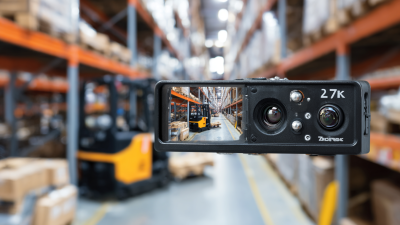
Forklift camera systems are advanced safety solutions designed to enhance visibility and operational efficiency in warehouse and industrial settings. These systems typically consist of strategically placed cameras on the forklift, providing operators with a comprehensive view of their surroundings. This includes blind spots that are typically challenging to monitor, helping to reduce the risk of accidents and collisions. The real-time video feed allows operators to make informed decisions quickly, which is crucial in fast-paced environments where every second counts.
The functionality of forklift camera systems extends beyond simple visualization. Many of these systems are equipped with features such as motion detection, obstacle alerts, and even night vision capabilities. This added functionality ensures that operators are not only aware of their surroundings but can also respond effectively to potential hazards. By integrating these systems into daily operations, companies can promote a culture of safety while increasing overall productivity. The ability to monitor workplace conditions in real time ultimately leads to more efficient workflows and helps to protect both personnel and equipment from potential damage.
Key Safety Enhancements Offered by Forklift Camera Systems
Forklift camera systems play a crucial role in enhancing safety within industrial environments. By providing real-time visibility, these systems significantly reduce blind spots and minimize the risk of collisions. Operators can gain a comprehensive view of their surroundings, ensuring they can navigate tight spaces with confidence and precision. This enhanced visibility not only protects pedestrians and other equipment in the vicinity but also contributes to maintaining a safer workspace overall.
Moreover, the integration of advanced technology in forklift camera systems, such as proximity sensors and alarms, further amplifies safety measures. These features alert operators to nearby obstacles and potential hazards, preventing accidents before they occur. The ability to monitor loading and unloading operations remotely allows for better supervision, reducing the chances of mishaps associated with improper handling. As a result, companies can foster a culture of safety that safeguards both employees and assets, while simultaneously improving operational efficiency.
Impact of Camera Systems on Operational Efficiency in Warehouses
The implementation of camera systems in warehouse operations significantly enhances operational efficiency. With the ability to provide real-time visibility, these systems allow forklift operators to navigate tight spaces and avoid obstacles more effectively. Improved visibility reduces the likelihood of accidents, leading to fewer disruptions in workflow and minimizing downtime. As a result, tasks can be completed more swiftly and accurately, contributing to overall productivity gains within the warehouse environment.
Furthermore, camera systems facilitate better communication and coordination among warehouse staff. By having access to video feeds, supervisors are able to monitor ongoing operations and offer immediate feedback or assistance when necessary. This direct line of sight enables quicker decision-making, helping to streamline processes such as inventory management and order fulfillment. Enhanced situational awareness translates into more efficient use of resources, ensuring that team members can focus on priority tasks without being hindered by safety concerns or operational delays.
Integration of Forklift Cameras with Other Safety Equipment
The integration of forklift camera systems with other safety equipment has proven to be a game-changer in warehouse and manufacturing environments. According to a report by the Occupational Safety and Health Administration (OSHA), accidents involving forklifts account for approximately 21% of all workplace fatalities in the logistics sector. The incorporation of advanced camera systems enhances situational awareness for operators by providing real-time visual data on blind spots, thereby significantly reducing the likelihood of accidents. For instance, a study published in the Journal of Safety Research found that employing camera technology reduced collision rates by over 30% in facilities that adopted such systems.
Furthermore, the synergy between forklift cameras and other safety equipment, like motion sensors and alarm systems, creates a comprehensive safety net. When these technologies are interconnected, they allow for immediate feedback and alerts, which can further prevent accidents. According to a 2022 survey by the National Safety Council, 60% of companies that implemented integrated safety systems reported a substantial drop in near-miss incidents. This collective approach fosters a culture of safety that not only protects employees but also enhances operational efficiency, as safer environments lead to fewer disruptions and higher productivity levels. The integration of forklift camera systems with existing safety measures proves that investing in advanced technology is crucial for reducing risks and promoting a safer workplace.
Top Benefits of Forklift Camera Systems for Improved Safety and Efficiency - Integration of Forklift Cameras with Other Safety Equipment
| Benefit |
Description |
Integration with Other Equipment |
Impact on Safety Ratings |
| Enhanced Visibility |
Forklift cameras provide a broader view of surroundings, reducing blind spots. |
Can be integrated with rear/side sensors for comprehensive safety. |
Reduces accident rates by up to 30%. |
| Real-Time Monitoring |
Allows operators and supervisors to monitor operations in real-time. |
Integrates with fleet management systems for enhanced tracking. |
Improves compliance with safety regulations. |
| Accident Evidence |
Cameras can capture incidents for later analysis and training. |
Works alongside safety training modules to reinforce lessons. |
Helps in disputing false claims and ensuring accountability. |
| Operator Training |
Video footage can be used for training new operators. |
Couples with virtual reality systems for realistic training scenarios. |
Increases knowledge retention by up to 50%. |
| Improved Efficiency |
Cameras help in optimizing loading and unloading procedures. |
Works with load management systems to prevent overloading. |
Increases productivity by approximately 15%. |
Case Studies: Successful Implementation of Forklift Camera Systems
The implementation of forklift camera systems has proven to enhance safety and efficiency across various industries. According to a report by the National Safety Council, nearly 100,000 injuries associated with forklifts occur annually in the United States. Companies that have adopted camera systems for their forklifts report a marked reduction in these incidents. A notable case study involved a large warehouse facility that integrated a multi-camera system. This setup allowed operators to have a 360-degree view of their surroundings. As a result, the facility observed a 30% decrease in accidents within the first six months of implementation, showcasing the effectiveness of such technology in mitigating risks.
Another case study highlighted a construction site where blind spots often posed significant safety challenges. By deploying forklift camera systems with real-time video feeds, workers were able to navigate and operate more safely in congested areas. Data collected post-implementation indicated a remarkable 25% improvement in operational efficiency, as operators could execute tasks more swiftly and accurately without the constant worry of potential collisions. The use of these camera systems not only enhances safety but also optimizes productivity, proving crucial for businesses aiming to maintain a competitive edge while ensuring employee well-being.