2026 How to Choose the Best RV Rearview Camera System?
When it comes to RV travel, safety is paramount. A comprehensive study by the National Highway Traffic Safety Administration indicates that rearview camera systems can reduce backing crashes by 30%. This statistic highlights the importance of choosing the right RV Rearview Camera System. Many RV owners often overlook this crucial aspect.
Selecting a suitable camera system can be daunting. With various options available, it’s easy to feel overwhelmed. Features like image quality, night vision, and installation ease are critical. Moreover, understanding the different camera types can help make informed decisions.
However, not all systems are perfect fit for every RV. Some come with significant drawbacks, such as limited field of view or poor weather resistance. Failing to carefully evaluate these aspects might lead to frustrations on the road. Ultimately, finding the best RV Rearview Camera System requires attention to detail and thoughtful consideration of personal needs.
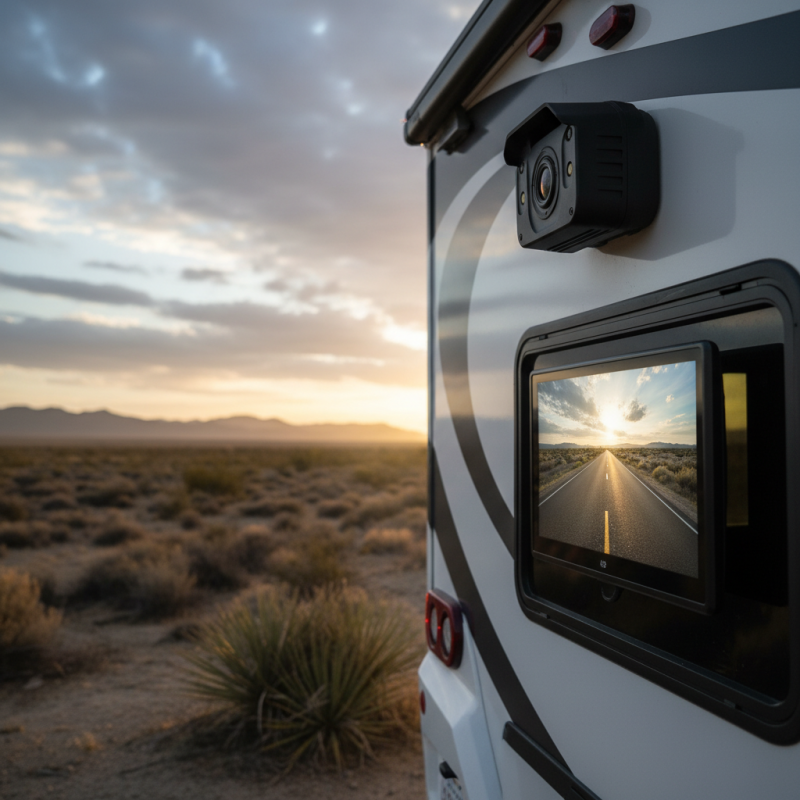
Understanding the Importance of RV Rearview Camera Systems
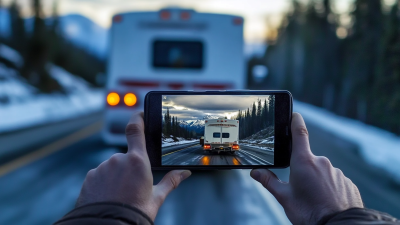
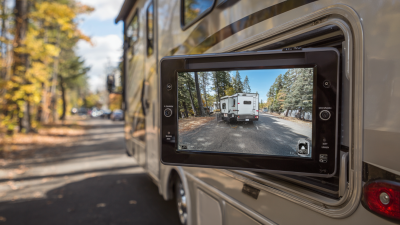
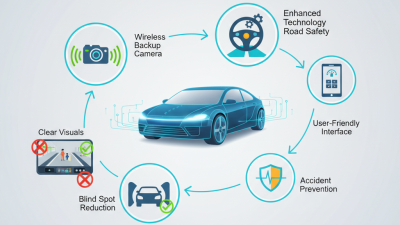
When it comes to RVing, safety is paramount. A rearview camera system can significantly enhance your awareness while reversing. It helps eliminate blind spots, ensuring you have a clearer view behind your vehicle. This added visibility reduces the risk of accidents, especially in crowded campgrounds or busy parking lots. You can spot pedestrians, cyclists, or even close obstacles that you might miss otherwise.
Choosing the right camera system involves considering several factors. Resolution is crucial; a high-quality camera provides clearer images. Check for night vision capabilities, as they are essential for low-light conditions. A system with a wide-angle lens can capture more of the area behind your RV. While some systems offer complex features, simpler options may serve most needs effectively.
It’s important to reflect on your own RVing habits. Do you often tow a vehicle? That might influence your choice. Some users find they need to reposition the camera frequently, causing frustration. Remember to evaluate how often you use your RV. The best system for you might not be the most expensive one. Understanding your requirements will lead to a better purchase decision.
2026 Comparison of RV Rearview Camera System Features
Key Features to Look for in RV Rearview Cameras
When choosing an RV rearview camera system, several key features should be considered.
Video resolution is critical. A clear image can greatly affect your ability to see obstacles.
Many systems offer HD resolution, which provides sharper details.
Studies indicate that clearer images increase safety by up to 35%.
Night vision capabilities are also essential.
A sizable percentage of accidents occur in low light.
Cameras with infrared technology can enhance image brightness without glare.
Look for systems that have at least 18 infrared lights for optimal performance after sunset.
Additionally, connectivity options deserve attention.
Wireless systems reduce installation complexity, but reliability should be questioned.
Some users report lag issues, which could lead to misjudgments while reversing.
Monitor size matters too.
Larger screens make it easier to spot smaller objects.
Ideally, a monitor between 7 to 10 inches strikes a good balance.
Screens that are too small may force you to squint.
Another aspect is weatherproofing.
RVs encounter various weather conditions.
Selecting a camera with a high IP rating ensures durability and consistent performance.
Each of these features plays a role in enhancing overall safety and usability for RV enthusiasts.
Types of RV Rearview Camera Systems Available on the Market
When choosing an RV rearview camera system, it's essential to understand the types available on the market. Many options exist, each catering to different needs and preferences. The most common types include wired systems and wireless systems. Wired cameras often provide a more stable connection, ensuring clear images at all times. However, they require installation, which can be complex for some users.
Wireless systems, on the other hand, offer easier installation. They transmit images via a signal, eliminating the need for lengthy cables. Yet, users sometimes face connectivity issues in certain areas. Moreover, battery-powered cameras can run out of charge unexpectedly, making them unreliable at critical moments.
Some systems come with additional features. Night vision capabilities are available, improving visibility after dark. Others include integrated recording options, which can provide valuable footage. However, these features can raise questions about the added complexity and cost. Consider what truly matters for your needs, as not every feature is necessary for every user. Test different options to find the perfect fit for your RV lifestyle.
2026 How to Choose the Best RV Rearview Camera System?
| Type |
Key Features |
Pros |
Cons |
| Wireless Cameras |
Easy installation, no long cables |
Flexible installation options |
Signal interference possible |
| Wired Cameras |
Stable connection, reliable performance |
Less prone to interference |
More complex installation |
| Multi-Camera Systems |
Multiple views, wider coverage |
Enhanced safety and visibility |
Higher cost, complex setup |
| Backup Camera Kits |
Specifically for backing up |
Increased safety while reversing |
Limited functionality compared to multi-camera |
Installation Considerations for RV Rearview Camera Systems
When choosing an RV rearview camera system, installation considerations are crucial. Start by assessing your vehicle's structure. The layout can greatly influence camera placement. Ensure the camera is mounted at a height that offers a clear view behind. Positioning it near the center often provides the best angle.
Wiring can be a challenge. It’s essential to route the cables safely. Look for pathways that avoid sharp edges and moving parts. Use zip ties for securing wires. This keeps everything tidy and reduces wear.
Consider the power source, too. You might need to connect it to your RV’s battery, which requires some knowledge of electrical systems.
Test the system thoroughly after installation. Check the angle and clarity of the view. Adjust if necessary. Sometimes, the initial setup may not provide the best visibility.
Don’t hesitate to redo the mounting if it doesn’t meet your needs. Reflect on potential blind spots that may have been missed. A bit of trial and error is often part of the process.
The ultimate goal is safety and peace of mind while on the road.
Budgeting for Your RV Rearview Camera System Upgrade
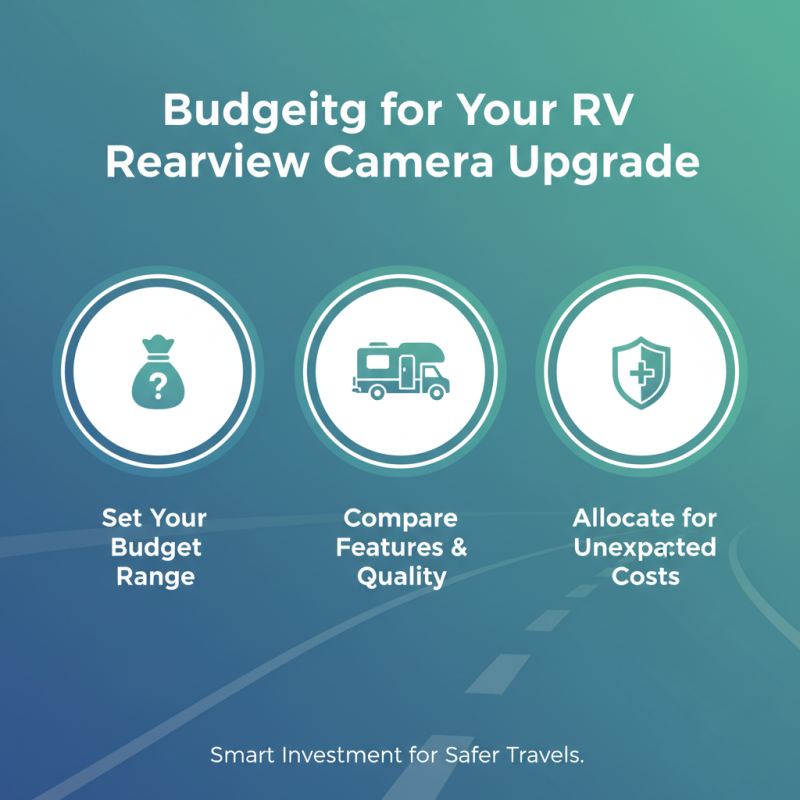
Upgrading your RV's rearview camera system can be a smart investment. However, budgeting for it requires careful thought. First, determine how much you're willing to spend. Prices vary widely based on features and quality. Set a realistic budget that won’t stretch your finances too thin. Unexpected costs may arise, so it’s wise to have a cushion.
Consider what features are most important to you. Do you need night vision? Or perhaps a wide-angle lens? Each feature can significantly impact the price. Start by listing your needs versus wants. This way, you can prioritize spending. Be reflective about how you plan to use the camera system. A high-end model may not be necessary for casual weekend trips.
Also, try to shop around before making a decision. Compare prices online and at local stores. You might find deals that fit your budget. Emphasize value rather than just cost. Sometimes, investing a bit more can save money on repairs later. Reflect on the benefits each system offers. It’s not just about the initial purchase, but also long-term satisfaction.