| Basic definition |
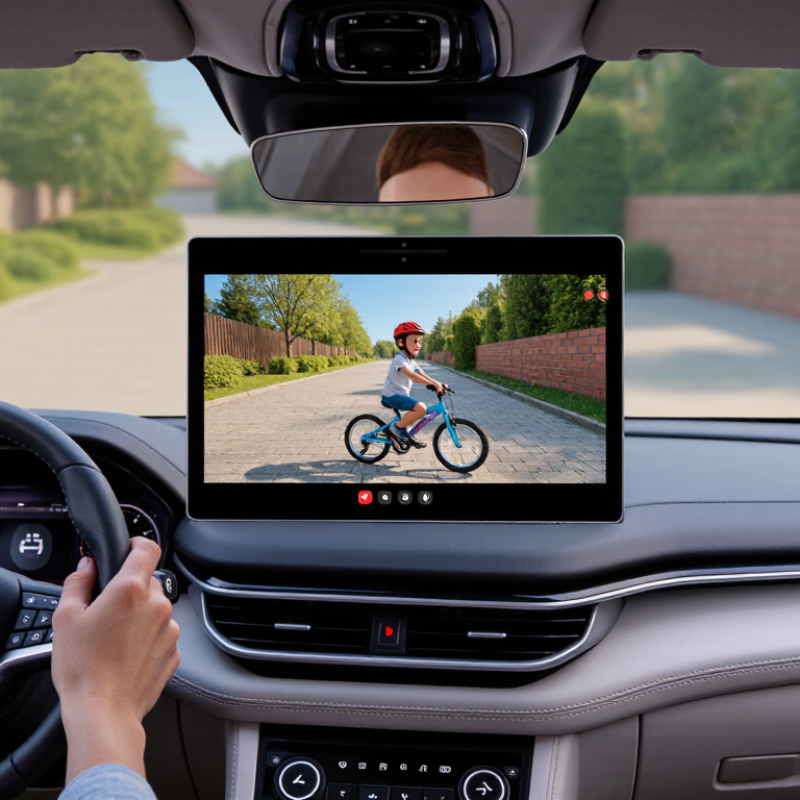
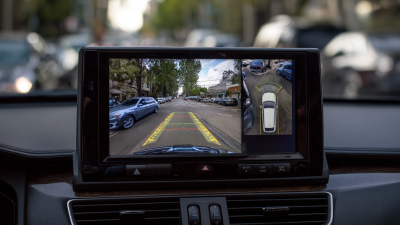
A rear view camera kit is a collection of components that displays a view behind a vehicle while reversing. |
Commonly includes a camera, a display or display connection, wiring, and mounting hardware. |
It can help the driver see areas behind the vehicle that may be difficult to view directly. |
| Camera placement |
The camera is mounted at the rear of the vehicle, usually near the license plate or rear handle. |
Mounting position depends on vehicle design and the kit’s bracket or housing. |
A suitable position can provide a useful view while avoiding obstruction of the camera lens. |
| Display type |
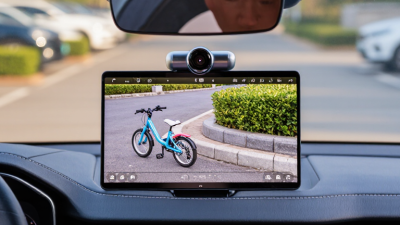
The image may appear on a dedicated screen or on a compatible in-dash display. |
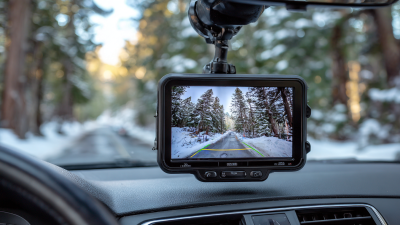
Some kits use a monitor mounted on the dashboard; others connect to a display with a compatible video input. |
Checking display compatibility before purchase can help avoid installation problems. |
| Wired or wireless connection |
The connection carries the camera’s video signal to the display. |
Wired kits use a video cable; wireless kits transmit the signal without a long video cable. |
Wired systems require cable routing, while wireless systems may be easier to route but can be affected by signal conditions. |
| Power source |
The camera and display need electrical power to operate. |
Many systems connect to vehicle power and activate when reverse gear is selected; some displays use a separate power connection. |
Vehicle wiring and compatibility should be checked against the installation instructions. |
| Image and viewing angle |
Image clarity and the area visible on screen depend on the camera and its installation. |
Specifications may describe resolution, low-light performance, and horizontal viewing angle. |
A wider view can show more of the area behind the vehicle, though objects may appear smaller or distorted near the edges. |
| Parking guidelines |
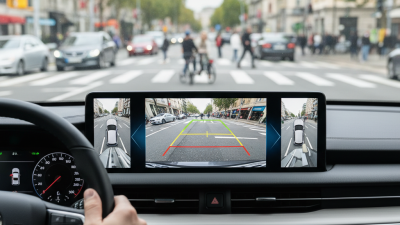
Some displays overlay guide lines on the camera image. |
Guidelines may be fixed or adjustable, and some systems offer distance markers. |
Guidelines can help with positioning but are not a substitute for checking surroundings directly. |
| Weather protection |
The rear-mounted camera is exposed to outdoor conditions. |
Look for manufacturer-stated water and dust protection ratings and care instructions. |
Appropriate protection can help the camera withstand rain, road spray, and routine outdoor use. |
| Vehicle compatibility |
Fit depends on the vehicle’s mounting area, electrical system, and available display connections. |
Check vehicle type, mounting dimensions, wiring requirements, and display inputs before choosing a kit. |
Compatibility checks reduce the risk of a poor fit or a system that cannot connect to the vehicle’s display. |
| Main practical benefit |
A camera provides an additional rearward view during reversing and parking. |
It works alongside mirrors, direct observation, and any other driver-assistance systems. |
It can support awareness, but drivers should still check for pedestrians, obstacles, and cross traffic. |